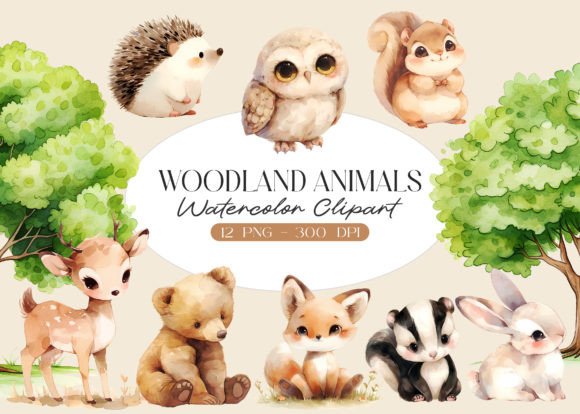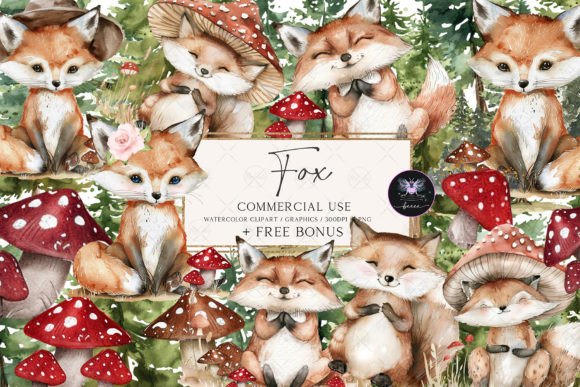
Forest Animals Watercolor Clipart for Editorial Illustrations
As a digital publisher and blog designer, my first interaction with any graphic design asset is strictly functional. I am not just looking for something pretty; I am evaluating whether a file can survive the rigors of a real content workflow. When I opened the Forest Animals Watercolor Clipart collection, my immediate assessment focused on editorial versatility. This set does not feel like generic stock art. Instead, it carries a distinct, hand-painted warmth that signals authenticity to readers. The mood is undeniably organic and gentle, striking a balance between playful nostalgia and modern artistic sensibility. For publishers in the parenting, education, nature, wellness, or seasonal lifestyle niches, these illustrations provide an instant emotional hook that sterile vector graphics simply cannot achieve.
The watercolor texture introduces a tactile quality to the screen, which is essential for building reader trust in an era of AI-generated saturation. From a web design perspective, the soft edges of these forest creatures allow for seamless integration into various background colors without harsh cutouts. This makes the asset particularly valuable for creators who need their visuals to feel bespoke rather than assembled. Whether you are running a homeschooling resource site, a sustainable living blog, or a children’s book affiliate page, this clipart establishes a cohesive visual language that feels intentional and professionally curated.
Deploying Assets Across the Content Ecosystem
In a professional publishing environment, a single digital download must serve multiple purposes to justify its place in our asset library. I tested the Forest Animals Watercolor Clipart across several key deliverables to evaluate its adaptability. For blog graphics and featured images, the individual animal elements work beautifully as focal points when paired with ample negative space. They anchor headlines effectively without competing for attention, maintaining a clean visual hierarchy that guides the eye toward the title and call-to-action.
For Pinterest pin creation, these illustrations are exceptionally strong. Pinterest users respond to vertical imagery that feels artistic and informative. By layering a fox or deer element over a muted solid background with bold typography, I was able to create pins that stand out in crowded feeds while clearly communicating the article's topic. The style also translates seamlessly into Canva template components. Because the watercolor edges are naturally soft, they blend effortlessly into pre-designed layouts, making them ideal for social media graphics, Instagram stories, and newsletter headers where consistency is paramount.
Beyond standard web content, this asset shines in digital product creation. I envision these animals enhancing printable design projects such as educational worksheets, coloring pages, or planner stickers. For those creating a lead magnet or digital guide, using these illustrations on the cover and throughout the interior pages elevates the perceived value of the freebie. It transforms a simple PDF into a polished resource that subscribers actually want to keep. Similarly, for affiliate marketing posts reviewing outdoor gear or eco-friendly toys, these visuals soften the commercial intent, making the content feel more like a helpful recommendation from a friend rather than a sales pitch.
Strategic Placement for Maximum Editorial Impact
Knowing where to use a design element is just as important as knowing how to use it. Through testing, I found that Forest Animals Watercolor Clipart performs best in specific high-visibility areas:
- Website Header and Hero Images: Use a cluster of animals to frame text in banner areas, creating a welcoming entry point for new visitors.
- Category Thumbnails: Assign specific animals to different content pillars (e.g., owl for tutorials, bear for reviews) to aid navigation through visual cues.
- Content Upgrades: Embed smaller elements within blog post bodies to break up text walls and maintain engagement.
- Email Marketing: Utilize subtle animal accents in newsletter footers or section dividers to reinforce brand identity without cluttering the message.
- Social Media Previews: Ensure Open Graph images feature these illustrations so shared links look distinctive on Facebook and LinkedIn.
However, restraint is necessary. These illustrations should be used carefully in contexts requiring high-density information or strict corporate formality. Avoid placing detailed watercolor elements in very small mobile thumbnails where the brushwork might blur into indistinct blobs. They can also struggle against busy photographic backgrounds; always prioritize solid colors or subtle gradients to let the art breathe. Furthermore, if your niche is highly technical, financial, or legal, this aesthetic may undermine the authoritative tone required. Always align your creative design choices with audience expectations and content gravity.
Publisher Notes: Technical Quality and Licensing
Before integrating any asset into a monetized workflow, rigorous technical vetting is non-negotiable. My review of Forest Animals Watercolor Clipart included several stress tests relevant to content marketing professionals. First, verify the resolution. For editorial design and potential print applications, ensure files are at least 300 DPI. Web usage requires optimization; I recommend converting PNGs to WebP format to preserve transparency while reducing load times. Large unoptimized watercolor files can severely impact Core Web Vitals, hurting both user experience and SEO rankings.
Typography pairing is another critical consideration. During layout testing, I found these illustrations harmonize best with organic serif fonts or clean, rounded sans-serifs. Highly geometric or industrial display fonts can clash with the natural flow of the watercolor strokes. Always test your headline text directly beside or over the artwork to check contrast ratios. Accessibility matters, and decorative elements should never compromise readability. If text must overlay the illustration, use a semi-transparent shape behind the copy or choose image placements where the animal creates natural negative space for words.
Finally, confirm the commercial license terms before deployment. As small business branding often relies on these assets, understanding the distinction between personal use and commercial application is vital. Check if the license covers digital products for resale, end-product limitations, or attribution requirements. A valid commercial license protects your business from future liability and ensures you are supporting the original artist ethically. When sourced correctly from a reputable creative marketplace, this clipart becomes more than just decoration; it becomes a strategic component of a professional, trustworthy, and visually engaging digital publication.
Ultimately, Forest Animals Watercolor Clipart offers significant utility for publishers seeking to humanize their digital presence. It bridges the gap between artistic expression and functional modern design, providing a versatile toolkit for everything from daily blog posts to comprehensive digital guides. By applying thoughtful placement strategies and adhering to technical best practices, content creators can leverage these illustrations to build stronger connections with their audience, enhance brand identity, and produce work that stands the test of time in a fast-moving digital landscape.