Lemons Sunny Watercolor Clipart: An Embroidery Review
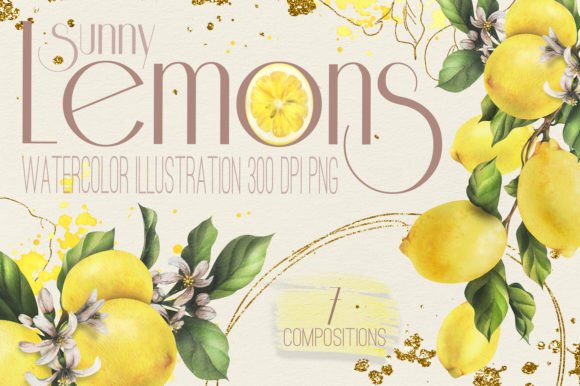
When I first opened the Lemons Sunny Watercolor Clipart file, my immediate thought was not about stitch counts or digitizing parameters, but about the specific emotional response this illustration evokes. As a designer who regularly bridges the gap between digital assets and tangible textiles, I look for artwork that translates well into thread. This collection of illustrations captures a bright, optimistic mood that is currently dominating the handmade market. However, moving from a pixel-based watercolor image to a physical machine embroidery design requires a critical eye. The soft gradients and organic edges that make this clipart beautiful on screen present unique challenges and opportunities when converted into stitches for real-world projects.
Translating Watercolor Aesthetics to Thread
The visual personality of Lemons Sunny Watercolor Clipart is undeniably cheerful. The layout feels organic rather than rigid, which is essential for modern custom apparel and home decor. When evaluating this for embroidery, I am looking at how the color blending will be interpreted. True watercolor relies on transparency, whereas embroidery relies on layering. For this design to succeed as an embroidery project, the digitization must utilize complex fill stitch patterns with varying densities to mimic that washed-out, sun-bleached citrus look without creating a bulletproof patch of thread.
I can immediately envision this design on a natural linen tote bag design or a cream-colored sweatshirt. The warmth of the lemon yellows against neutral fabric textures creates a high-value aesthetic that customers associate with boutique quality. For Etsy seller listings or small shop product lines, this style of artwork signals a curated, artistic vibe rather than generic clip art. It works exceptionally well for summer collections, kitchen textiles, and nursery themes where a gentle, hand-painted appearance is preferred over sharp, cartoonish vectors.
Real-World Application: The Custom Tea Towel Test
To truly evaluate the utility of Lemons Sunny Watercolor Clipart, I mentally placed it in a recent client scenario: creating a set of personalized wedding favor tea towels. The bride wanted something rustic yet elegant, avoiding the stiffness of traditional monograms. This clipart served as the perfect anchor. In this context, the design needed to sit flat on terry cloth without sinking into the pile or distorting the weave.
For this application, the Illustrations category shines because it allows for negative space. Unlike dense logos, these lemons breathe. When stitching this onto a textured towel, I would recommend using a water-soluble topping to keep the satin stitch borders crisp and prevent the fabric texture from interfering with the delicate color transitions. The result is a handmade product that feels bespoke. Customers react positively to this level of detail because it mimics the imperfection of hand-painting, increasing the perceived value of the finished product. Whether you are making holiday embroidery gifts or stocking your own boutique, this design anchors the item in a specific, desirable lifestyle aesthetic.
Navigating Fabric Constraints and Hoop Limitations
While Lemons Sunny Watercolor Clipart is versatile, it demands respect for material limitations. Watercolor-style embroidery often involves significant color changes and gradient shading, which can increase stitch density. You must be cautious when applying this to thin or stretchy fabrics like lightweight jersey knits. Without proper support, the weight of the thread can cause puckering or drag lines that ruin the sunny disposition of the art.
I advise against using this specific aesthetic on dark fabrics unless the digitizer has included a white underlay base. Watercolor effects rely on light passing through; on black cotton, the yellow threads will simply disappear or look muddy. Similarly, be wary of curved surfaces like caps. The organic shape of lemons can distort on a curved brim if the hoop size isn't perfectly matched to the design dimensions. For baby embroidery items, ensure the back of the design is smooth. Dense fill areas used to create shading can be scratchy against sensitive skin, so testing on scrap fabric with appropriate stabilizer is non-negotiable before committing to a onesie or blanket.
Technical Considerations for Commercial Use
For those running a craft business or offering commercial embroidery services, consistency is key. Before listing items featuring Lemons Sunny Watercolor Clipart, verify your licensing. Ensure you have the rights to use these design assets on products intended for sale. Beyond legality, consider the technical reproducibility. Does the digital embroidery file include adequate trim jumps? Are the thread colors standard enough that you won't face supply chain issues when reordering?
If you are selling printable mockups or digital previews alongside physical goods, this clipart is a powerhouse. Its high-resolution nature allows for beautiful branding materials. However, always cross-reference your digital preview with a physical stitch-out. Colors on screen rarely match polyester or rayon threads exactly. Create a physical color chart for this specific design to maintain brand consistency across different batches of personalized gift items.
Designer Notes for Optimal Results
Based on my experience reviewing similar assets, here are practical steps to ensure Lemons Sunny Watercolor Clipart performs beautifully in your studio:
- Test Stitch Density: Always run a test on the exact fabric you intend to use. Watercolor styles can vary wildly in density; if it feels too stiff, adjust the pull compensation or reduce density in your software.
- Stabilizer Selection: For woven fabrics like tea towels or aprons, use a medium-weight cutaway or tear-away depending on the drape desired. For knits, always use cutaway to prevent distortion during washing.
- Thread Contrast Check: View your embroidery file in grayscale before stitching. If the lemons lose their definition without color, the contrast values are too close. Adjust thread tones to ensure the fruit pops against the background.
- Hoop Size Verification: Do not resize this design significantly. Enlarging watercolor art can create gaps in the fill; shrinking it can cause thread breaks and excessive density. Stick to the original dimensions or minor adjustments only.
- Mockup Accuracy: When creating listings for Etsy seller shops, use photos of actual stitch-outs whenever possible. Digital renderings of watercolor embroidery can sometimes mislead buyers regarding texture and sheen.
- Wash Testing: If producing custom apparel or kitchen linens, wash and dry the test sample. Watercolor fills can sometimes shift or pucker after the first launder if the stabilizer wasn't adequate.
Ultimately, Lemons Sunny Watercolor Clipart offers a fantastic foundation for creators looking to add warmth and artistic flair to their inventory. It bridges the gap between digital illustration and textile art effectively, provided you approach the production process with technical mindfulness. By respecting the interplay between thread, fabric, and color, you can transform these sunny illustrations into heirloom-quality pieces that resonate deeply with customers seeking authentic, handcrafted charm. Whether you are crafting a single embroidered patch or launching a full summer collection, let the practical realities of embroidery guide your creative decisions for the best possible outcome.