Summer Beach Watercolor Sublimation PNG Review
As a professional embroidery digitizer and product reviewer, I approach every new digital asset with a specific question: will this actually stitch out beautifully, or is it just a pretty picture? When evaluating the Summer Beach Watercolor Sublimation PNG for real-world application, my focus shifts immediately from screen aesthetics to needle performance. This design falls under the Illustrations category, which often presents unique challenges for machine embroidery design because watercolor effects rely on color blending that thread cannot naturally replicate. However, when adapted correctly, this aesthetic creates a soft, vintage vibe that is highly sought after in the current handmade market.
Translating Painted Aesthetics to Thread
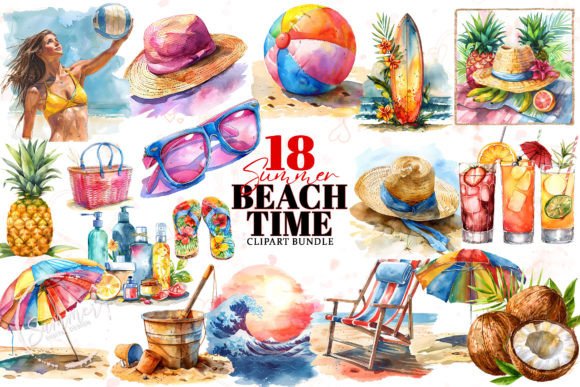
The first impression of this Summer Beach Watercolor Sublimation PNG is one of nostalgic warmth. The layout suggests a relaxed, coastal mood with organic shapes rather than rigid lines. For an embroidery designer, this is both an opportunity and a caution flag. Watercolor styles typically lack the hard outlines that make digitizing straightforward. In a real-life scenario, such as preparing a custom embroidered tote bag for a boutique client, I have to assess whether the design relies too heavily on complex fill stitches to mimic paint gradients.
If the source file is intended primarily for sublimation, converting it for embroidery requires careful interpretation. You cannot simply auto-digitize a watercolor painting and expect a clean result. The stitch density must be managed to prevent fabric distortion while still capturing the artistic essence. I look for distinct color blocks within the illustration that can be translated into satin stitch borders or textured fill stitch areas. If the design is too muddy or detailed, it will lose its charm once stitched. For this specific summer theme, the goal is to maintain that airy, beachy feeling without creating a bulletproof patch of dense thread that ruins the drape of a lightweight garment.
Real-World Application: The Custom Tote Bag Test
To truly judge the viability of this Summer Beach Watercolor Sublimation PNG, I mentally place it on a natural canvas tote bag. Canvas is forgiving, but it has texture. A watercolor-style embroidery project on this fabric needs sufficient contrast to pop. In my experience, designs with this artistic flair perform best when they are treated as mixed-media pieces or when the digitizing emphasizes outline definition.
For small business owners and Etsy sellers, this type of design is excellent for personalized gift items like nursery decor or baby embroidery. Parents often prefer the softer look of watercolor illustrations over bold, cartoonish characters for baby clothes. However, baby items require safety and comfort. I would evaluate this design to ensure there are no scratchy jump stitches or overly dense areas that could irritate sensitive skin. If adapting this for a sweatshirt embroidery project, the design size matters significantly. A large, sprawling watercolor scene might be too heavy for a knit fabric, causing sagging. Scaling it down to a chest placement or sleeve accent often yields a more professional finished product.
Navigating Fabric Limitations and Hoop Sizes
Not every fabric is a friend to watercolor-style embroidery. While this Summer Beach Watercolor Sublimation PNG looks effortless on screen, physical execution demands respect for material limitations. I advise extreme caution when using this design on stretchy fabrics like jersey knits or performance wear. The variable stitch density required to create shading effects can cause tunneling or puckering if the stabilizer choice isn't perfect.
Furthermore, consider the hoop size constraints. Intricate illustrations often tempt makers to maximize the design area, but larger hoops increase the risk of shifting. For commercial embroidery projects involving caps or curved surfaces, this specific aesthetic is risky. Caps require simplified, low-profile designs. A complex watercolor scene will likely distort on the curved brim or crown. Instead, reserve this design for flat, stable surfaces like pillow covers, tea towels, or framed hoop art. These items allow the stitching to lie flat and let the color transitions shine without fighting the fabric grain.
Dark fabrics also present a challenge. Watercolor effects rely on light passing through layers of color. On black or navy fabric, you lose that translucency unless you stitch a white underlay base first. This adds significant stitch count and density. Before committing to a dark garment, test whether the design retains its personality or just looks like a solid block of thread.
Elevating Brand Value and Customer Trust
For creative entrepreneurs and craft business owners, the quality of your embroidery file directly impacts buyer engagement. Customers can distinguish between a generic auto-digitized mess and a thoughtfully curated handmade product. Using a high-quality illustration like this Summer Beach Watercolor Sublimation PNG signals professionalism, provided the execution matches the source art.
When listing items on Etsy or at craft fairs, presentation is key. Because watercolor embroidery is textured and dimensional, printable mockups sometimes fail to capture the true value. I recommend stitching a sample specifically for photography. Show the texture. Let customers see how the thread catches the light. This builds trust and justifies a higher price point for custom apparel or boutique branding. Consistency is also vital; if you use this style for a collection, ensure all designs share similar stitch types and density parameters so your brand feels cohesive.
Essential Designer Notes for Success
Before you load this design into your machine or list it as a digital product, run through this practical checklist derived from years of production experience:
- Verify Licensing: Confirm whether the Summer Beach Watercolor Sublimation PNG license allows for commercial embroidery use. Some illustration licenses cover digital printing but restrict physical reproduction or resale of finished products.
- Test on Scrap Fabric: Never stitch a new design directly onto a final product. Use a scrap of the exact fabric and stabilizer combination you plan to use. Check for registration issues between color blocks.
- Analyze Stitch Density: Open the embroidery file in your software. Look for areas where fill stitches overlap excessively. Reduce density in shaded areas to maintain fabric drape and prevent needle breaks.
- Check Small Details: Watercolor art often includes tiny splatters or fine lines. Ensure these are large enough to stitch cleanly. If they are smaller than 1mm, they may need to be removed or enlarged to avoid bird-nesting.
- Thread Color Matching: Do not rely solely on the digital preview. Pull physical thread spools and compare them against the design palette. Watercolor effects depend on subtle variegation; solid threads might look flat. Consider using variegated or matte threads to enhance the painted look.
- Stabilizer Strategy: For this artistic style, a cut-away stabilizer is usually superior to tear-away, especially on apparel. It provides permanent support for the varying stitch directions found in illustrative designs.
- Mockup Reality Check: Create both light and dark background mockups. If selling the digital embroidery file, provide accurate previews that represent actual stitch output, not just the original PNG image, to manage customer expectations.
Final Thoughts on Artistic Embroidery
The Summer Beach Watercolor Sublimation PNG offers a beautiful foundation for seasonal projects, but its success lies entirely in the translation from pixel to stitch. As makers and sellers, our job is to bridge that gap with technical precision. Whether you are creating a holiday gift, expanding your shop’s summer inventory, or designing a unique embroidered patch, treat this illustration as a guide rather than a rigid blueprint. Respect the limitations of your machine and fabric, and you will produce a finished product that honors the original art while showcasing the unique tactile beauty of machine embroidery.