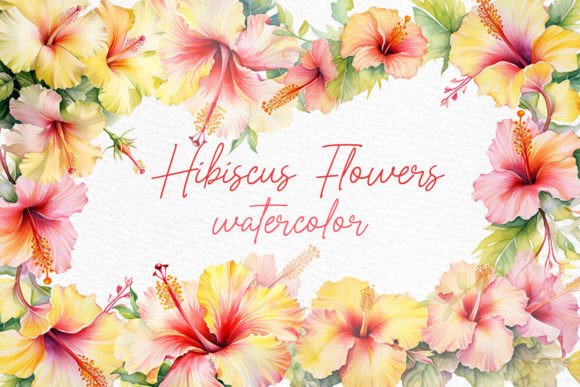
Watercolor Caterpillar Illustrations for Digital Products
When evaluating a new graphic design asset for my Etsy shop and print-on-demand portfolio, I look beyond the initial aesthetic appeal. As a digital product creator, my primary concern is versatility and commercial viability. Upon first inspecting the Watercolor Caterpillar collection, the immediate impression is one of soft, organic charm that leans heavily into the nursery, spring seasonal, and nature education niches. The visual personality is undeniably gentle and whimsical, avoiding the overly cartoonish look that can sometimes limit market reach. Instead, these illustrations possess a hand-painted authenticity that resonates with buyers seeking premium, handmade-style aesthetics for their own creative projects. For sellers targeting the mompreneur demographic or early childhood educators, this specific mood is a significant selling point.
Commercial Viability Across Product Categories
In a real-world shop scenario, I would not list this asset as a standalone clipart file without testing its application across multiple revenue streams. The true value of this Watercolor Caterpillar set lies in its adaptability. For printable design products, the soft edges and textured details translate beautifully to nursery wall art and baby shower invitation templates. I found that when placed on a cream or warm white background, the illustration maintains its integrity, making it ideal for high-margin printable wall art bundles.
For physical merchandise creators, the assessment requires a different lens. As a sublimation design, the watercolor texture adds necessary depth to items like ceramic mugs and tumblers where flat vector art can sometimes look cheap. However, for t-shirt design, particularly on dark garments, I had to verify the contrast. Watercolor inherently relies on transparency, so this asset works best on white or pastel apparel. If you are creating SVG designs for Cricut projects, be aware that true watercolor effects often require print-then-cut methods rather than simple vinyl cutting. This distinction is vital for managing customer expectations in your listing descriptions.
Canva template sellers will find this asset particularly useful for social media graphics and digital planner stickers. The organic shape of the caterpillar allows for flexible layout placement, acting as a corner accent or a central focal point depending on the composition. When building a design bundle, pairing this illustration with complementary botanical elements or handwritten fonts creates a cohesive commercial design package that justifies a higher price point than individual files.
Optimizing Listing Images and Visual Hierarchy
Your product mockup is the primary driver of click-through rates in any creative marketplace. When preparing listing images for this Watercolor Caterpillar asset, visual hierarchy is paramount. I recommend showcasing the illustration at a large scale in your primary thumbnail to highlight the brushwork and texture quality. Buyers need to see that the resolution is sufficient for their intended use. Avoid cluttering the preview with excessive text or unrelated graphics; let the art speak for itself.
For secondary listing photos, demonstrate practical application. Show the caterpillar integrated into a finished product, such as a framed print in a nursery setting or a branded packaging design for a small business. This helps potential buyers visualize the end result, bridging the gap between a raw digital download and a tangible outcome. Brand identity consistency is also key; if your shop specializes in rustic or boho themes, ensure your mockup styling aligns with that vibe. Using natural lighting and neutral props in your previews reinforces the organic nature of the illustration and builds customer trust through professional presentation.
Strategic Applications and Best Use Cases
Through testing, I have identified specific areas where this asset performs exceptionally well. It is a powerhouse for themed bundles, particularly those focused on insects, gardening, or spring renewal. In these contexts, the Watercolor Caterpillar serves as an anchor image that ties together supporting elements like leaves, flowers, and butterflies. It also excels in decorative layouts for scrapbooking kits and digital paper packs, where the irregular edges of watercolor add necessary visual interest to repetitive patterns.
Furthermore, this illustration is highly effective for content creators and bloggers needing unique header images or blog graphics that avoid generic stock photo aesthetics. The niche appeal supports small business branding for eco-friendly products, organic children’s clothing lines, and nature-based coaching services. When used in these specific contexts, the asset moves beyond being just a cute picture and becomes a strategic tool for visual storytelling.
Technical Limitations and Risk Mitigation
Despite its strengths, there are scenarios where caution is required. I would advise against using this Watercolor Caterpillar for tiny sticker designs or intricate die-cut projects. The subtle gradients and soft edges of watercolor can get lost or appear muddy when scaled down below two inches. Similarly, avoid placing this asset on busy, high-contrast backgrounds in your product previews, as the delicate texture may disappear visually.
For Cricut users and crafters, clear communication is essential. If the file includes complex shading, explicitly state whether it is suitable for layering vinyl or if it is strictly a print-then-cut PNG design. Misunderstandings here lead to negative reviews. Also, be wary of using this style for text-heavy templates where readability is the priority; the organic forms can sometimes compete with typography rather than support it. Always test the design on both screen and print before finalizing your product line to ensure color accuracy, as watercolor tones can shift significantly between RGB and CMYK color spaces.
Seller Checklist for Professional Implementation
Before publishing any product featuring this asset, run through this practical checklist to ensure commercial readiness:
- Verify Licensing: Confirm the commercial license permits the specific type of end product you are creating, especially for print-on-demand and digital templates.
- Test Transparency: Open the PNG design in your editing software to ensure the background removal is clean and no white halos remain around the watercolor edges.
- Check Resolution: Ensure files are at least 300 DPI at the intended print size to prevent pixelation in physical products.
- Font Pairing: Test the illustration with various typefaces. Serif fonts enhance the classic storybook feel, while modern sans serifs create a contemporary contrast.
- Mockup Validation: Preview the design on actual product blanks rather than flat digital overlays to assess real-world placement and scale.
- File Organization: Group assets logically within your zip files. Separate high-res print files from web-resolution versions to improve the user experience.
- Color Proofing: Print a test copy to verify that the soft yellows and greens reproduce accurately on your target paper or substrate.
By approaching the Watercolor Caterpillar with a critical, business-minded perspective, you transform it from a simple pretty image into a reliable component of a profitable digital product ecosystem. Success in online selling comes from understanding not just what an asset looks like, but how it functions within the broader landscape of commercial design and customer needs.