Watercolor Lotus Flower Clipart: Illustrations for Selling
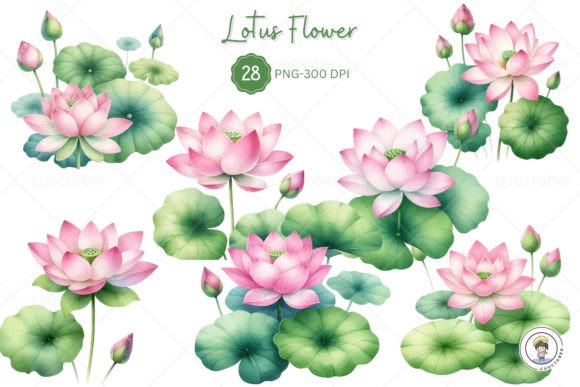
When evaluating a new graphic design asset for my shop, I always look beyond the initial aesthetic appeal to assess its true commercial viability. My latest review focuses on Watercolor Lotus Flower Clipart, a digital product that sits at the intersection of spiritual wellness, botanical beauty, and elegant femininity. As an experienced seller across Etsy and Creative Fabrica, I approach these illustrations with a critical eye toward profitability and versatility. This specific collection immediately struck me as having a serene, premium mood. Unlike generic floral assets, the lotus carries inherent symbolism regarding growth, purity, and mindfulness. This makes it particularly attractive to buyers in the yoga, meditation, self-care, and holistic health niches. The visual personality feels handmade yet polished, suggesting a high perceived value that justifies higher price points for finished goods or design bundles.
Commercial Viability Across Product Categories
In testing this asset for real-world application, I found that Watercolor Lotus Flower Clipart performs exceptionally well across multiple revenue streams. For print-on-demand sellers, the soft gradients and organic edges translate beautifully onto ceramic mug designs and t-shirt graphics. The key here is the emotional connection; customers buying yoga apparel or meditation accessories are looking for imagery that resonates with their lifestyle. I successfully mocked up a line of tumblers where the lotus served as a central focal point without overwhelming the curved surface. Similarly, for those creating sublimation designs, the watercolor texture adds depth that flat vector art often lacks, making tumbler wraps and tote bag prints feel more artisanal and less mass-produced.
For digital product creators focusing on stationery and planning, this clipart is a powerhouse. I tested it within Canva template layouts for wedding invitations and found that the delicate nature of the illustration pairs perfectly with minimalist serif fonts. It provides enough visual interest to anchor a layout while leaving ample negative space for typography. In the realm of printable wall art, the lotus theme allows for easy bundling. I could see this working as part of a "Mindful Morning" nursery print set or a standalone affirmation poster. The transparency of the PNG design files meant I could layer them over textured paper backgrounds or solid colors without worrying about jagged white boxes, which is essential for maintaining professional quality in digital downloads.
Optimizing Listings and Visual Presentation
A significant part of selling on any creative marketplace is how the asset presents itself in thumbnails and listing images. Watercolor Lotus Flower Clipart has strong thumbnail potential because of its distinct silhouette and recognizable shape. When designing product mockups for my shop, I noticed that this illustration creates an immediate sense of calm and luxury. This is crucial for click-through rates. Buyers scrolling through hundreds of floral assets stop for ones that evoke a specific feeling. I recommend using large, centered previews of the lotus on clean, light backgrounds to maximize visibility in search results. The soft pinks, whites, or teals typically associated with lotus illustrations pop effectively against neutral mockup templates, enhancing the visual hierarchy of your listing.
Furthermore, this asset supports brand identity for small business branding projects. If you are selling B2B services or templates for coaches and healers, incorporating this clipart into social media graphics or packaging design can signal sophistication. It moves away from the overly bright, cartoonish florals often seen in entry-level design assets and offers something more mature. When bundling these illustrations, consider grouping them by color palette or intended use, such as "Boho Wedding Florals" or "Zen Planner Stickers." This strategic organization helps customers visualize the end product, increasing the likelihood of a sale. The perceived value increases significantly when buyers see the clipart applied to realistic mockups rather than just displayed as flat digital files.
Technical Considerations and Usage Limitations
While versatile, Watercolor Lotus Flower Clipart requires careful handling depending on the output method. Experienced Cricut users and crafters should note that watercolor textures do not always translate well to vinyl cutting. If you intend to offer SVG design files for physical crafting, ensure the lotus has been simplified into clear, contiguous shapes suitable for cutting machines. Complex shading and semi-transparent edges can cause issues with blade tracking and weeding. For these users, it is better to market the PNG version for print-then-cut sticker design or direct printing rather than promising a flawless cut file unless you have manually traced and simplified the vector paths.
Another area requiring caution is contrast management. Watercolor illustrations rely on subtle tonal shifts. When placing this clipart on dark backgrounds or busy patterns, the delicate details can get lost. Always test your designs on both white and dark canvases before publishing. For t-shirt designs specifically, remember that standard DTG printing may not capture the faintest watercolor washes accurately. You may need to boost saturation or add a subtle underbase in your design software to ensure the final merchandise matches your digital product mockup. Additionally, avoid using highly detailed lotus illustrations for tiny elements like planner icons or intricate jewelry tags; the fine brushwork will blur at small scales, reducing the professional finish of your handmade business products.
Seller Checklist for Quality Assurance
Before adding Watercolor Lotus Flower Clipart to your inventory, run through a practical quality control process. First, verify the resolution. For any printable design or sublimation work, files must be at least 300 DPI at the intended print size. Upscaling low-resolution watercolors results in pixelation that destroys customer trust. Second, inspect the transparency. Open the PNG files in your editing software to check for stray pixels or incomplete erasing around the flower petals. Nothing generates negative reviews faster than a "transparent" clipart that leaves a messy halo on a customer's project.
- Font Pairing: Test the clipart with various typefaces. Elegant scripts enhance the feminine vibe, while bold sans-serifs create a modern, editorial look. Ensure the text remains legible when overlaid on or near the illustration.
- Licensing Verification: Never assume usage rights. Confirm the commercial license explicitly allows for the specific products you intend to sell, especially for print-on-demand and digital templates. Some licenses restrict POD use or require attribution.
- Color Accuracy: Print a physical test copy. Screen colors often differ from CMYK output. Adjust curves or levels if the printed lotus looks muddy or washed out compared to the vibrant digital file.
- File Organization: Deliver assets in clearly labeled folders. Separate high-res PNGs from SVGs and include a PDF guide with usage tips. Professional organization reduces customer support inquiries and enhances the user experience.
Ultimately, Watercolor Lotus Flower Clipart is a robust asset for sellers targeting the wellness, bridal, and stationery markets. Its strength lies in its ability to convey emotion and elegance, distinguishing your products in a saturated marketplace. By respecting its technical limitations and leveraging its aesthetic strengths through thoughtful mocking and strategic bundling, you can transform this simple illustration into a profitable cornerstone of your digital product catalog. Whether you are building a seasonal collection or expanding your evergreen offerings, this asset provides the flexibility and beauty necessary to attract discerning buyers and support sustainable shop growth.