Watercolor White Wild Flowers Clipart Review
First Impressions: Soft Aesthetics Meet Stitch Reality
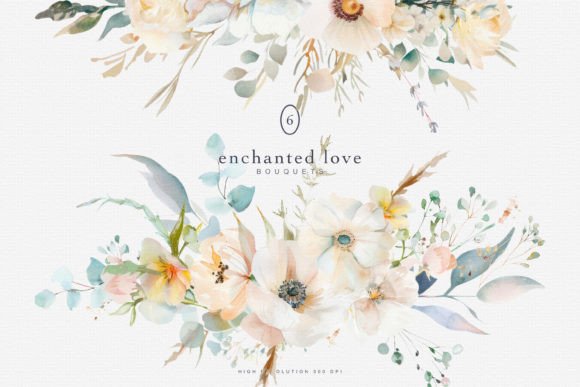
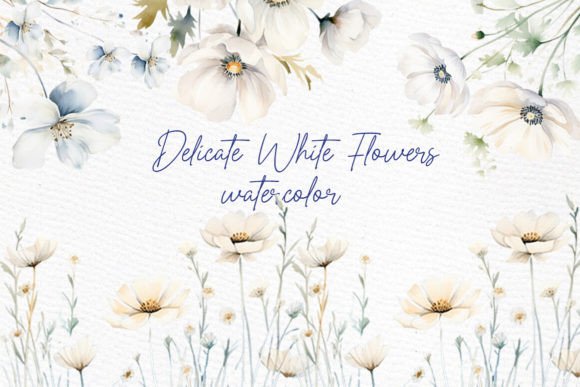
When I first opened the Watercolor White Wild Flowers Clipart file, my immediate reaction was one of cautious optimism. As an experienced embroidery digitizer and product reviewer, I have seen countless floral illustrations that look breathtaking on a screen but become muddy, dense nightmares once translated into thread. This collection, categorized under Illustrations, possesses a delicate, ethereal quality that suggests vintage botanical prints and cottagecore aesthetics. The white petals against transparent or soft backgrounds evoke a sense of purity and nostalgia, making it visually perfect for spring collections, bridal accessories, and nursery decor.
However, visual appeal is only half the battle. My primary concern with any watercolor-style machine embroidery design is how the gradient shading translates to physical stitches. Watercolor implies soft edges and color blending, whereas embroidery relies on distinct thread changes and stitch direction. Upon closer inspection, these designs appear to balance artistic fluidity with structural integrity. They do not look overly pixelated or artificially sharpened, which is a good sign for digitizing potential. The organic shapes of the wildflowers suggest a layout that would flow naturally across fabric grain rather than fighting against it, a crucial factor for maintaining drape in custom apparel and lightweight textiles.
Real-World Application: Designing a Botanical Tote Bag
To truly evaluate the viability of Watercolor White Wild Flowers Clipart, I mentally prototyped a specific project: a natural canvas tote bag intended for a boutique summer collection. Tote bags are a staple for any Etsy seller or craft business, but they present unique challenges due to the coarse weave of canvas and the need for durability.
In this scenario, I envisioned placing a cluster of these white wildflowers near the bottom right corner, allowing the negative space to breathe. Because the flowers are white, the contrast against unbleached canvas would be subtle and sophisticated rather than loud. For the embroidery project to succeed, I would likely pair this clipart with a running stitch outline to define the petal edges, preventing them from getting lost in the fabric texture. The fill areas would require a lighter stitch density to mimic the watercolor wash without creating a bulletproof patch of thread that distorts the bag’s shape.
This specific use case highlights the design's strength as a versatile tote bag design. It feels appropriate for a handmade product targeting customers who appreciate understated elegance over flashy graphics. Furthermore, because wildflowers are inherently seasonal yet timeless, this design could easily transition from a summer market item to a holiday gift option when paired with different colorways or metallic threads. The key here is treating the clipart not just as a picture, but as a blueprint for texture and mood.
Navigating Fabric Choices and Technical Constraints
While the aesthetic is versatile, Watercolor White Wild Flowers Clipart demands careful consideration regarding substrate selection. White floral elements are unforgiving on certain materials. If you are planning sweatshirt embroidery on dark fleece, you must account for the high stitch count required to create an opaque white base. Without proper underlay, the dark fabric will bleed through, muddying the pristine watercolor effect. In such cases, testing on scrap fabric is non-negotiable.
Conversely, for baby embroidery on delicate knits or muslin, the concern shifts to density and safety. Heavy fill stitches can create rough patches against sensitive skin and may compromise the integrity of thin fabrics. Here, the design would perform best if adapted into an applique design where white cotton fabric provides the base color, secured with minimal satin or zigzag stitching. This approach preserves the soft hand-feel essential for infant wear while retaining the visual charm of the wildflower motif.
I would also advise caution when using this artwork on highly textured surfaces like terry cloth towels or boucle. The intricate details typical of watercolor illustrations can disappear into the pile. If you intend to create a tea towel or kitchen textile, consider using a water-soluble topping to flatten the nap during stitching, ensuring the finished product retains the crispness of the original illustration. Always verify your hoop size capabilities before committing; resizing complex watercolor designs can sometimes distort stitch angles, turning smooth gradients into jagged lines.
Commercial Viability and Brand Consistency
For creative entrepreneurs and small shop product developers, consistency is currency. Does Watercolor White Wild Flowers Clipart offer enough cohesion to build a recognizable brand identity? From a reviewer’s perspective, yes. The stylistic unity of wildflowers allows for mix-and-match potential across various SKUs. You could feature a single bloom on a collar, a full bouquet on a pillow cover, and a scattered border on an apron, all while maintaining a cohesive shop aesthetic.
This versatility extends to digital assets as well. Before investing time in physical sampling, use the clipart to create printable mockup listings. High-quality digital previews help gauge customer interest and validate market demand before you thread a needle. However, transparency is vital. Ensure your listing photos accurately represent how the digital embroidery file translates to thread. Customers trust sellers who show real stitch-outs alongside digital renders. Misrepresenting a watercolor print as a photorealistic embroidery result leads to returns and negative reviews.
Furthermore, consider the perceived value. Watercolor florals generally command a higher price point than cartoon or block-style graphics because they signal artistry and refinement. When used correctly in commercial embroidery, this clipart elevates the perceived quality of the entire garment or accessory. It transforms a basic blank into a personalized gift or boutique piece that feels curated rather than mass-produced.
Critical Pre-Stitch Checklist for Makers
Before loading this design into your machine or listing it in your shop, run through this practical evaluation list to ensure professional results:
- Verify Licensing: Confirm whether the Watercolor White Wild Flowers Clipart license permits commercial use for both physical finished products and digital resale. Never assume rights based on category alone.
- Test Contrast: Stitch a sample on both light and dark backgrounds. White thread behaves differently depending on what lies beneath it. Adjust underlay settings accordingly.
- Check Stabilizer Pairing: Match your stabilizer to the fabric weight. Cut-away for stretchy knits, tear-away for stable wovens, and wash-away for sheer fabrics to prevent puckering.
- Evaluate Small Details: Zoom in to 100% in your embroidery software. Are there tiny jumps or gaps that will cause production headaches? Clean up stray nodes before stitching.
- Mockup Validation: Create black and white test prints. If the design reads clearly without color, the tonal values in thread will likely be successful.
- Thread Color Matching: "White" is not universal. Compare your thread inventory to the clipart. Is it a warm cream, a cool optic white, or a matte ecru? The wrong shade can clash with the intended watercolor mood.
- Wash Testing: If selling items requiring frequent laundering, wash and dry your test swatch. Watercolor effects can degrade if thread sheen changes or fabric shrinks unevenly.
By approaching Watercolor White Wild Flowers Clipart with technical scrutiny and creative intention, you bridge the gap between digital art and tangible craft. Whether you are creating an embroidered patch, decorating custom apparel, or building a library of design assets, success lies in respecting the limitations and possibilities of the medium. This collection offers beautiful potential, provided it is handled with the precision and care that discerning customers expect from handmade goods.