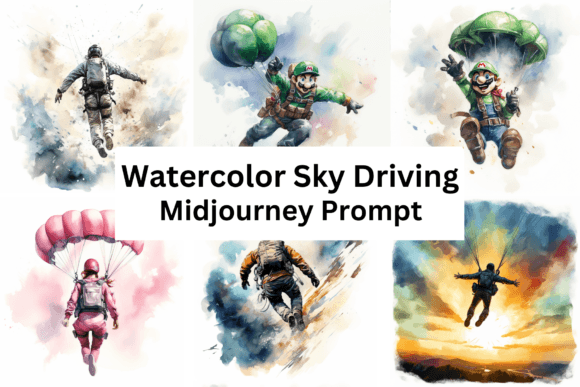
Watercolor Sky Diving: An Embroidery Design Review
When evaluating a new machine embroidery design for professional or commercial use, my first question is always about translation. How well does the digital artistry convert into physical thread? With Watercolor Sky Diving, we are looking at a unique intersection of fluid artistic style and the structured nature of digitizing. As an illustrator-style piece, this design promises a soft, painterly aesthetic that differs significantly from traditional bold logos or dense satin stitch emblems. For Etsy sellers, apparel decorators, and makers considering this file for their next collection, understanding how those watercolor gradients behave under the needle is critical to producing a high-quality finished product.
First Impressions and Artistic Mood
The immediate appeal of Watercolor Sky Diving lies in its whimsical, dreamlike quality. Unlike rigid vector art, this illustration carries a sense of movement and lightness that is perfect for specific niches. The layout feels organic rather than boxed-in, which suggests it will sit beautifully on garments without looking like a stiff sticker. For a creative entrepreneur, this mood is valuable. It signals "handmade" and "thoughtful" rather than mass-produced. When I review illustrations in this category, I look for a balance between detail and stitchability. This design appears to leverage fill stitches and blending techniques to mimic paint washes, creating a visual texture that invites closer inspection. It is not just a picture of sky diving; it is an emotional capture of freedom and joy, making it highly suitable for personalized gifts or boutique merchandise where storytelling matters.
Real-World Application: Stitching a Custom Tote Bag
To truly judge the viability of this embroidery file, I mentally placed it onto a canvas tote bag project intended for a summer market launch. Tote bags are a staple for small shop products because they offer a flat, stable surface ideal for showcasing detailed artwork. In this scenario, Watercolor Sky Diving serves as the centerpiece of a limited-edition adventure series.
During the planning phase for this custom apparel and accessory project, I considered how the watercolor effect would interact with natural canvas fabric texture. The slight irregularity of the canvas actually complements the painterly style of the design, enhancing the artistic illusion. However, this application requires careful stabilizer selection. Because the design likely uses varying stitch densities to create shading, a medium-weight cutaway stabilizer would be necessary to prevent puckering while maintaining the drape of the bag. If I were selling this finished product, the soft edges of the sky diving motif would differentiate it from standard sports gear, appealing to customers looking for aesthetic, lifestyle-oriented accessories rather than purely utilitarian items.
Fabric Compatibility and Placement Strategy
While the design shines on stable woven fabrics like canvas or denim, its performance changes across different substrates. Understanding these nuances prevents wasted materials and ensures customer satisfaction.
- Sweatshirt Embroidery: Fleece and French terry are excellent candidates for Watercolor Sky Diving. The loft of the fabric can help blend stitch transitions, making the watercolor effect appear softer. However, you must use a topping to prevent stitches from sinking into the pile, which would obscure the delicate color gradients.
- Baby Embroidery: The whimsical theme fits nursery decor and baby clothes perfectly. Yet, when stitching on knit onesies or blankets, the stitch density becomes a safety and comfort issue. Ensure the design does not have excessively dense areas that could irritate sensitive skin or distort the stretchy fabric. A tear-away stabilizer might be too harsh; opt for a soft mesh cutaway instead.
- Caps and Curved Surfaces: Exercise caution here. Watercolor illustrations often rely on precise color registration to create depth. On a curved cap brim or structured hat, the fabric shift during hooping can cause misalignment, breaking the illusion of the painting. This design is best reserved for flat embroidery projects unless you have advanced hooping skills and a specialized cap frame.
- Dark vs. Light Fabrics: Watercolor effects typically rely on the fabric base acting as the "white paper." On dark fabrics, the design may require a white underlay base, which adds significant stitch count and stiffness. Always test on a scrap of your intended dark fabric first to see if the colors remain vibrant without becoming bulletproof.
Technical Considerations for Commercial Use
For those using this digital embroidery file in a business context, technical diligence protects your brand reputation. Before listing a handmade product featuring Watercolor Sky Diving, verify the following:
- Hoop Size Verification: Do not assume the design fits your hoop just because the dimensions say so. Check the actual stitch field against your machine’s maximum area. Resizing watercolor styles can sometimes distort the gradient mapping, so try to use the native size whenever possible.
- Thread Color Contrast: Monitor your thread colors against the specific fabric batch you are using. A blue thread that looks perfect on white cotton might disappear on unbleached linen. Run a test stitch-out to confirm the contrast levels match the digital preview.
- Stitch Density Inspection: Open the embroidery file in your editing software to check density maps. If you plan to scale the design down for a patch or pocket placement, ensure the details do not become too dense, causing needle breaks or fabric damage.
- Licensing Confirmation: Before selling finished items or offering this as part of a printable mockup package, explicitly confirm the license terms. Some illustration licenses allow for physical product sales but restrict digital redistribution or POD (print-on-demand) usage.
Elevating Product Value Through Presentation
The way you present Watercolor Sky Diving to your audience directly impacts perceived value. Because this is an illustration-based design, your marketing should highlight its artistic integrity. When creating listings for Etsy or your own website, avoid generic stock photos. Instead, photograph the embroidered patch or sweatshirt embroidery in natural light to capture the sheen and texture of the threads. The interplay of light on rayon or polyester threads mimics the wet look of watercolor paint, a selling point that flat digital mockups cannot convey.
Consider how this design integrates into a broader brand identity. It pairs exceptionally well with minimalist typography or simple line-art accents. Avoid overcrowding the design with heavy borders or competing elements; let the watercolor sky diver breathe. For holiday embroidery or seasonal collections, this design offers a refreshing alternative to traditional motifs, appealing to niche audiences who celebrate adventure and travel. Whether used on a kitchen towel for an aviation enthusiast or a framed hoop art piece for a nursery, the versatility of this design lies in its ability to feel both personal and professionally executed.
Final Verdict for Makers and Sellers
Watercolor Sky Diving is more than just a cute graphic; it is a versatile asset for the thoughtful embroiderer. Its success depends entirely on respecting the relationship between the artistic intent and the mechanical reality of embroidery. By choosing appropriate fabrics, managing stabilizer choices, and presenting the finished product with an eye for texture, you transform a digital file into a tangible piece of art. For craft business owners and hobbyists alike, this design offers a wonderful opportunity to explore the softer, more expressive side of machine embroidery, provided you approach it with the technical mindfulness that professional results demand. Always test, always observe, and let the unique character of the illustration guide your project choices.