Watercolor Sleepy Teddy Bear Clipart Review
As an embroidery digitizer and product reviewer, I approach every new graphic with a specific question: will this translate beautifully into thread, or will it become a frustrating mess of puckered fabric and broken needles? When evaluating the Watercolor Sleepy Teddy Bear Clipart for real-world application, my focus shifts immediately from digital aesthetics to mechanical feasibility. This illustration possesses a distinct softness that is visually appealing on screen, but for those of us running commercial embroidery machines or managing small shop products, the true test lies in how those watercolor gradients convert into stitch density and color blending.
Translating Soft Aesthetics to Stitch Density
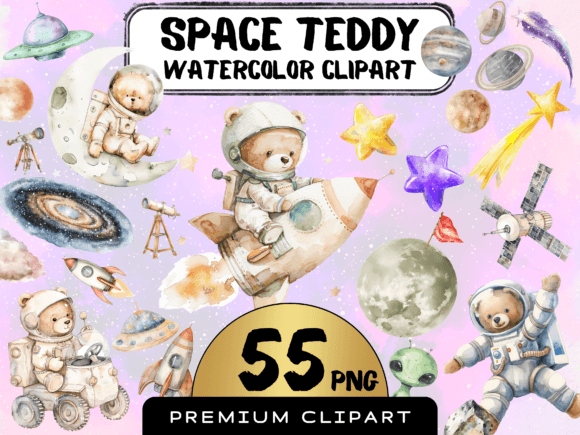
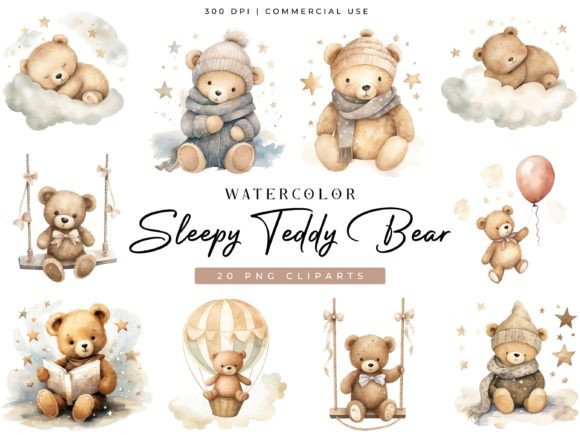
The first impression of this Watercolor Sleepy Teddy Bear Clipart is one of gentle nostalgia. The muted tones and relaxed posture suggest a design meant for comfort items rather than bold branding. However, watercolor styles present unique challenges in machine embroidery design. Unlike vector art with hard edges, this illustration relies on subtle shading. In a digital embroidery file, achieving this look requires careful planning of fill stitch layers and thread color transitions.
When I review illustrations like this for potential use as an applique design or a full-stitch motif, I look for defined boundaries. If the bear’s outline is too soft or pixelated in the source file, your digitizing software may struggle to create clean satin stitch borders. For this specific sleepy teddy, the shape appears cohesive enough to support a sturdy outline, which is essential for preventing fraying on finished products. The mood is undeniably sweet, making it a strong candidate for baby embroidery and nursery decor, but the technical execution must prioritize clarity over artistic blur to ensure the embroidered patch or garment looks professional rather than muddy.
Real-World Application: The Custom Baby Blanket Test
To truly judge the viability of this asset, I mentally placed it into a recent client scenario: creating a personalized gift for a newborn. We were working on a custom minky blanket, a high-pile fabric that can easily swallow fine details. Using the Watercolor Sleepy Teddy Bear Clipart in this context required strategic adjustments. Because minky has significant texture, the design needed higher stitch density and a thicker outline to remain visible.
In this real-life application, the "sleepy" aspect of the bear worked perfectly with the cozy nature of the blanket. However, I had to consider whether the watercolor effect would get lost in the plush fabric. For sweatshirt embroidery or tote bag design on smoother cottons, the original detail level would likely shine. But for textured fabrics, simplifying the internal shading and relying more on solid fill stitch areas often yields better results. This experience highlights a crucial lesson for Etsy sellers and craft business owners: the versatility of this clipart depends heavily on matching the design complexity to the fabric texture. It is not a one-size-fits-all solution, but rather a flexible asset that rewards thoughtful adaptation.
Navigating Fabric Limitations and Hoop Constraints
While the Watercolor Sleepy Teddy Bear Clipart is charming, there are specific environments where caution is necessary. Small hoop sizes are the first area of concern. Reducing a detailed watercolor illustration to fit a 4x4 hoop often results in tiny lettering or facial features becoming indistinguishable blobs of thread. If you plan to use this for cap embroidery or sleeve cuffs, verify that the critical details remain legible at scale. You may need to remove background elements or simplify the face to maintain stitch clarity.
Fabric weight also dictates success. On thin fabrics like quilting cotton or lightweight knits, the dense fill stitches required to replicate watercolor shading can cause severe puckering. Proper stabilizer selection is non-negotiable here; a cut-away backing is usually safer than tear-away for designs with this level of coverage. Conversely, on stretchy fabrics used for custom apparel, the design needs adequate underlay to prevent distortion. Dark fabrics present another hurdle. Watercolor designs typically assume a white or light background. Stitching this onto navy or black material without a white underlay base will result in the colors looking dull and the bear disappearing into the garment. Always test contrast before committing to a production run.
Commercial Value and Customer Perception
For handmade shop owners and creative entrepreneurs, the visual appeal of your digital product previews directly impacts sales. The Watercolor Sleepy Teddy Bear Clipart carries an inherent emotional value that resonates with buyers seeking holiday embroidery or sentimental gifts. However, customer trust is built on consistency between the printable mockup and the actual finished product. If your listing photos show crisp, vibrant stitching but the delivered item looks sparse or misaligned due to poor digitization of this clipart, reviews will suffer.
Professionally executed, this design elevates brand consistency. It signals that your shop offers curated, high-quality design assets rather than generic clip art. Whether used for boutique branding or as part of a larger collection of nursery illustrations, the cohesive style helps build recognition. Buyers engaging with small shop products are often looking for that specific "handmade" warmth, and this sleepy bear delivers that mood effectively—provided the stitch quality matches the illustration's promise. The perceived value of a personalized gift increases significantly when the embroidery feels intentional and well-suited to the item, rather than simply stamped on.
Essential Designer Notes Before You Stitch
Before adding this Watercolor Sleepy Teddy Bear Clipart to your next embroidery project, adhere to these practical checkpoints to ensure success:
- Test on Scrap Fabric First: Never run a new design on a final product without testing. Check how the watercolor shading translates to thread on your specific material.
- Verify Licensing Terms: Confirm whether the license allows for commercial embroidery, digital resale, or only personal use. This is critical for Etsy sellers and those selling design assets.
- Check Thread Color Contrast: Watercolor nuances can be subtle. Ensure your thread palette captures the intended mood without losing definition against the fabric.
- Review Stitch Density: Inspect the file for overly dense areas that might damage delicate fabrics or cause needle breaks. Adjust pull compensation if necessary.
- Confirm Hoop Size Compatibility: Ensure the design fits your machine’s capabilities without excessive resizing, which distorts stitch angles and coverage.
- Evaluate Small Details: Look closely at the eyes and nose. If they are too small to stitch cleanly, modify them to running stitch or safety eyes for physical products.
- Mockup in Black and White: Testing the design in grayscale helps identify if the values hold up without relying solely on color differentiation.
- Stabilizer Selection: Match your backing to both the fabric weight and the stitch count of the bear to prevent shifting during the embroidery process.
Ultimately, the Watercolor Sleepy Teddy Bear Clipart is a promising asset for makers who understand the interplay between digital art and textile mechanics. It offers a beautiful foundation for baby items, holiday gifts, and custom apparel, provided you respect the technical requirements of translating paint to thread. By approaching this illustration with a critical, practical eye, you transform a simple graphic into a premium handmade product that delights customers and stands the test of wear.