Watercolor White Roses Bouquets PNG Review
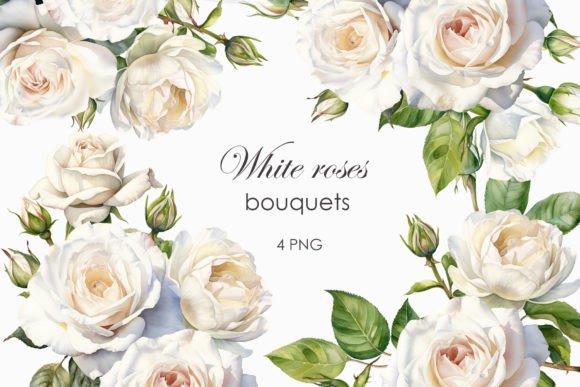
When I first opened the Watercolor White Roses Bouquets PNG file, I wasn't just looking at a digital illustration; I was mentally mapping out stitch paths and stabilizer choices. As an embroidery designer who frequently bridges the gap between digital art and tangible textiles, my immediate reaction to this design was one of cautious optimism. The soft, blended aesthetic of watercolor illustrations presents a unique challenge for machine embroidery. Unlike traditional vector art with hard edges, watercolor relies on gradients and transparency that do not translate directly into thread. However, seeing how this specific artwork is composed, I recognized its potential as a standout centerpiece for high-value handmade products, provided it is approached with technical intention.
Translating Soft Aesthetics to Thread
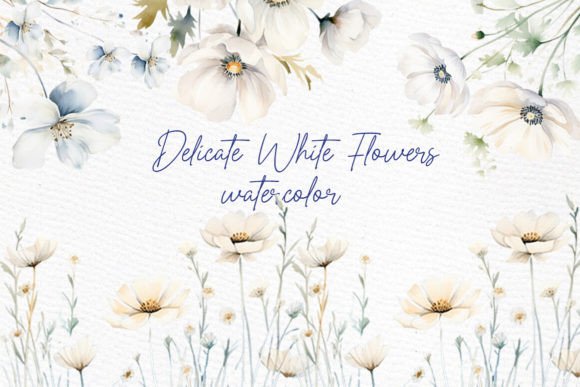
The visual personality of these white roses is undeniably romantic and vintage, evoking a sense of timeless elegance that customers actively seek in personalized gifts and boutique apparel. For an Etsy seller or small shop owner, this mood is marketable. It suggests luxury and care. However, from a production standpoint, white flowers on light fabric can disappear if the contrast isn't managed correctly. When evaluating this design for real-world application, I immediately considered how the shading would be interpreted by digitizing software or a professional digitizer.
If you are using this PNG as a base for a custom embroidery project, pay close attention to the transition areas. Watercolor effects often require complex fill stitches or specialized blending techniques to avoid a flat, cartoonish look. In my experience testing similar floral illustrations, the success of the finished product hinges on preserving the organic flow of the petals. If the digitized version uses rigid satin stitch blocks where the original art calls for soft washes, the design loses its soul. I recommend reviewing the stitch density carefully. Too dense, and the fabric puckers; too sparse, and the watercolor illusion breaks. This balance is critical when creating items like nursery decor or wedding gifts where the delicate nature of the art is the primary selling point.
Real-World Application: The Linen Tote Test
To truly evaluate the commercial viability of Watercolor White Roses Bouquets PNG, I mentally placed it onto a natural linen tote bag—a staple item for craft businesses and holiday embroidery collections. Linen has a distinct texture that interacts beautifully with botanical themes, but it also demands respect. In this scenario, the design serves as more than just decoration; it acts as a branding element for a maker’s portfolio.
For a tote bag design of this caliber, placement is everything. Center-chest positioning on a sweatshirt or a lower-corner placement on an apron allows the bouquet to breathe. When stitching white roses, I always advise testing thread colors against the actual garment fabric before running the full job. Off-white, cream, or pale grey threads often render better than pure white because they provide necessary definition against light backgrounds. This nuance separates a professional commercial embroidery piece from a hobbyist attempt. Furthermore, considering the end-user, a tote bag requires durability. The stitch type must withstand handling and washing. If the design includes tiny details or intricate running stitch outlines derived from the PNG, ensure they are thick enough to survive friction without breaking.
Navigating Fabric Limitations and Hoop Constraints
While this illustration is versatile, there are specific environments where I would urge caution. Stretchy fabrics like jersey knits or performance wear can distort the fluid lines of watercolor roses unless you use aggressive stabilization and potentially an applique design approach to anchor the artwork. Similarly, dark fabrics present a significant hurdle. White roses on black cotton require either a heavy underlay or a background fill to prevent the dark fabric from showing through the stitches, which fundamentally alters the airy, transparent feel of the original watercolor style.
Hoop size is another practical constraint. Detailed floral bouquets often suffer when scaled down for small hoops or cap embroidery. If you intend to use this for baby clothes or sleeve cuffs, verify that the smallest petal details remain distinct at reduced sizes. Pixelation in the source PNG can lead to jagged stitch edges in the final output. Always check the resolution and dimensions of your digital embroidery file before purchasing or downloading. For curved surfaces like caps, the horizontal spread of a bouquet might need to be re-digitized to accommodate the curve, otherwise, the registration will shift, and the professional finish will be compromised.
Designer Notes for Production Success
Before committing Watercolor White Roses Bouquets PNG to a client project or inventory run, adhere to these practical checkpoints:
- Test on Scrap Fabric First: Never run a new design on a finished good. Stitch a sample on the exact fabric and stabilizer combination you plan to use to check for puckering and color accuracy.
- Verify Licensing Terms: Confirm whether the license covers commercial embroidery, digital resale, or printable mockups. Protecting your business means respecting intellectual property.
- Assess Stabilizer Needs: Watercolor styles often involve varying stitch densities. Use a cut-away stabilizer for stretchy garments and a tear-away for stable woven fabrics to maintain shape integrity.
- Check Contrast in Mockups: Before listing a product, create printable mockups or digital previews on both light and dark backgrounds to ensure the design reads clearly to potential buyers.
- Inspect Small Details: Zoom in on the digitized file. Ensure that fine lines are not single-thread running stitches that might get lost in the fabric texture.
Elevating Product Value Through Design Integrity
Ultimately, the value of using Watercolor White Roses Bouquets PNG lies in its ability to elevate a simple blank into a cherished item. Whether you are creating a personalized gift for a bride, stocking your shop with seasonal tea towels, or designing exclusive patches, the artistic quality of the source material sets the ceiling for your finished product. Customers recognize the difference between generic clipart and thoughtful illustration. They trust makers who present cohesive, aesthetically pleasing work.
However, trust is built on execution. A beautiful PNG cannot save poor craftsmanship. By treating this illustration as a technical blueprint rather than just a pretty picture, you ensure that the final embroidered patch, pillow cover, or custom apparel meets the high standards your brand promises. Take the time to understand how the watercolor effect translates to thread, respect the limitations of your materials, and validate your process through testing. When done correctly, this design asset becomes a reliable cornerstone for creative entrepreneurs looking to offer something genuinely special in a saturated market. The intersection of digital artistry and tactile craft is where true value lives, and this rose bouquet offers a beautiful opportunity to explore that space.